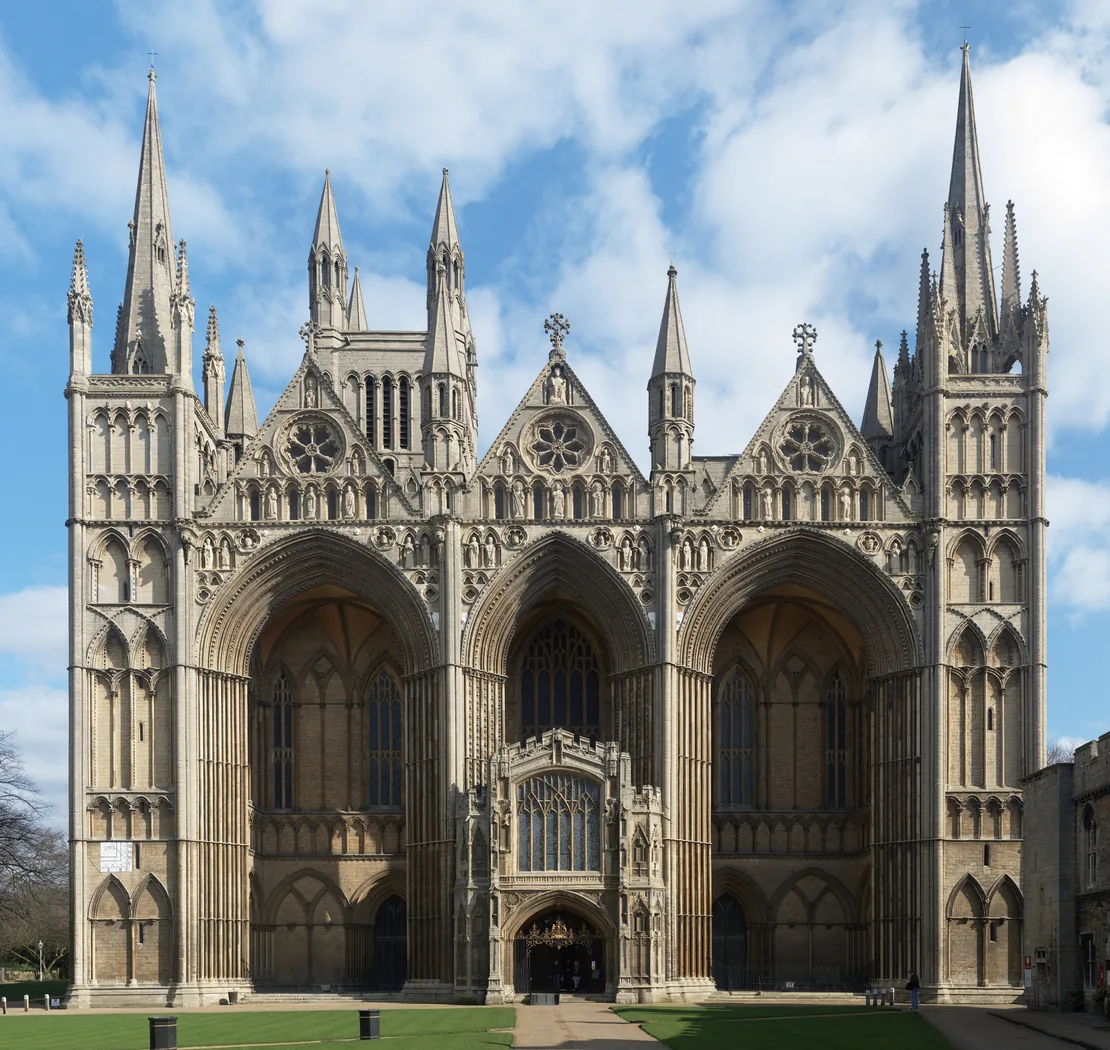
Where should you live in Peterborough? The answer depends on what matters most to you.
Hampton appeals to people looking for modern housing. Parts of Orton offer easy access to Nene Park. Werrington has established residential streets and local facilities. If you want to live near the railway station, the city centre may be a more practical choice.
But a good area on paper is not always the right place to live. Two houses in the same neighbourhood can offer very different experiences.
This guide compares eight parts of Peterborough, covering housing, local amenities, green spaces and the factors worth checking before buying or renting.
Quick answer: Which part of Peterborough should you consider?
| Area | Why consider it? | What to check |
|---|---|---|
| Hampton (PE7) | Modern housing and local facilities | Parking, estate charges and road access |
| Orton (PE2) | Village-style areas and access to Nene Park | Which part of Orton the property is in |
| Werrington (PE4) | Established housing, shops and leisure facilities | Property condition and commuting routes |
| Longthorpe (PE3) | Established residential streets and access to green spaces | Budget and availability of suitable homes |
| Fletton & Woodston (PE2) | Older housing and access towards the centre | Damp, insulation and road noise |
| Stanground (PE2) | A mix of established and newer homes | Traffic, local facilities and transport |
| Bretton (PE3) | Varied housing and parks | Differences between streets and estates |
| City centre (PE1) | Shops, rail connections and central amenities | Parking, noise and outdoor space |
This is a practical comparison, not a statistical ranking. No single area is best for every household.
1. Hampton: Modern homes and everyday convenience
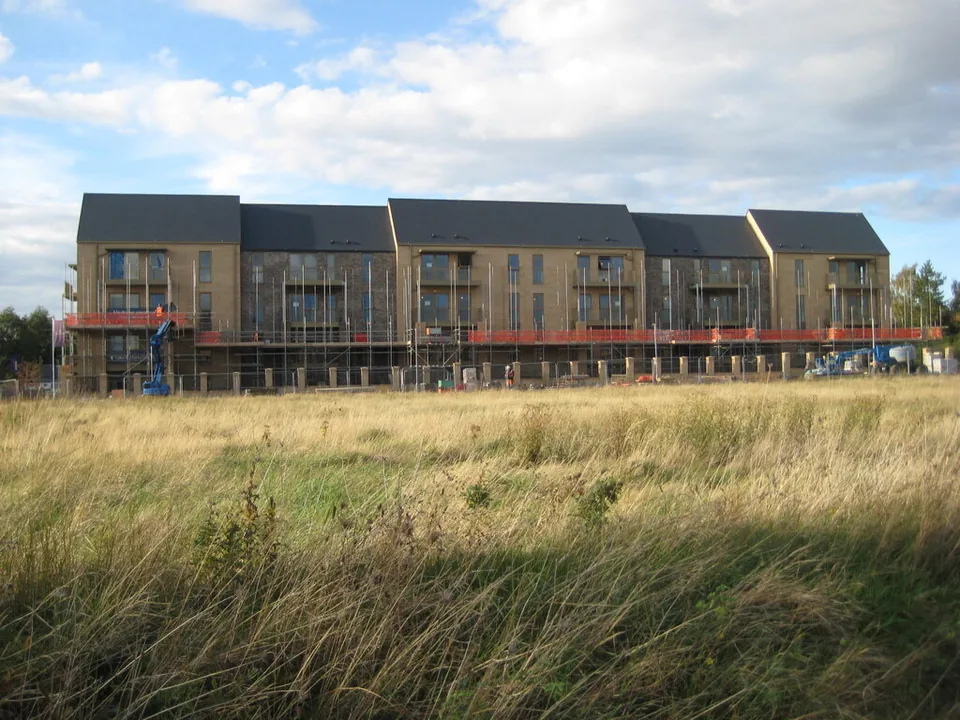
Hampton sits to the south of Peterborough and includes Hampton Hargate, Hampton Vale and Hampton Lakes.
It is worth exploring if you prefer modern residential developments rather than older terraced housing.
The area includes homes built at different stages, from earlier Hampton developments to more recent estates. Housing layouts, parking arrangements and outdoor space vary between streets.
What makes Hampton worth considering?
- Modern houses and apartments across several developments.
- Local shopping and community facilities.
- Hampton Library and leisure facilities.
- Access to lakes and open spaces in parts of the area.
- A choice of housing types, including larger family homes.
One important point is that Hampton is not a single, uniform development. Living in Hampton Hargate can feel different from living in Hampton Lakes.
What should you check?
Some modern estates have private shared spaces or estate management arrangements. Ask whether the property carries an annual estate charge and what that charge covers.
Check visitor parking, the number of allocated spaces and the route to work at busy times.
If you're buying a relatively new home, inspect the finish and ask about any outstanding defects. Newer properties can still have problems with drainage, ventilation, windows and poorly fitted doors.
Related reading: Property Maintenance Tips for New-Build Homes in Peterborough.
Explore this area further
2. Orton: Green spaces and several distinct neighbourhoods
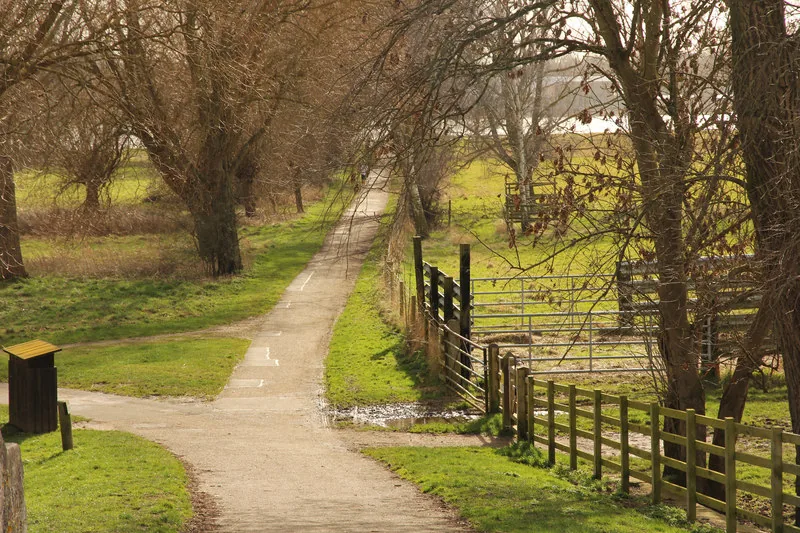
It would be misleading to describe Orton as one residential area.
Orton Waterville, Orton Longueville, Orton Wistow, Orton Goldhay and Orton Malborne all form part of the wider Orton area. However, their housing and street layouts differ.
Orton Longueville and Orton Waterville retain historic village features alongside later housing. Other parts of Orton developed as planned residential neighbourhoods.
One of Orton's main advantages is its relationship with Nene Park.
Ferry Meadows, near Ham Lane, offers lakes, meadows, walking routes, cycling and outdoor activities. It is one of Peterborough's best-known green spaces.
Why consider Orton?
- Access to Ferry Meadows from parts of the wider area.
- Historic village settings in Orton Longueville and Orton Waterville.
- A wide mixture of property ages and styles.
- Local community facilities and shops.
- Walking and cycling opportunities.
What should you check?
The exact part of Orton matters.
A property near Orton Waterville may offer a different journey to Ferry Meadows than a home in Orton Goldhay. Do not assume every Orton address has the same transport connections or nearby facilities.
Older village properties may also need a more detailed building survey, particularly where there have been extensions or alterations.
For outdoor activities and park information, see the official Ferry Meadows guide from Nene Park Trust.
Explore this area further
3. Werrington: An established part of northern Peterborough
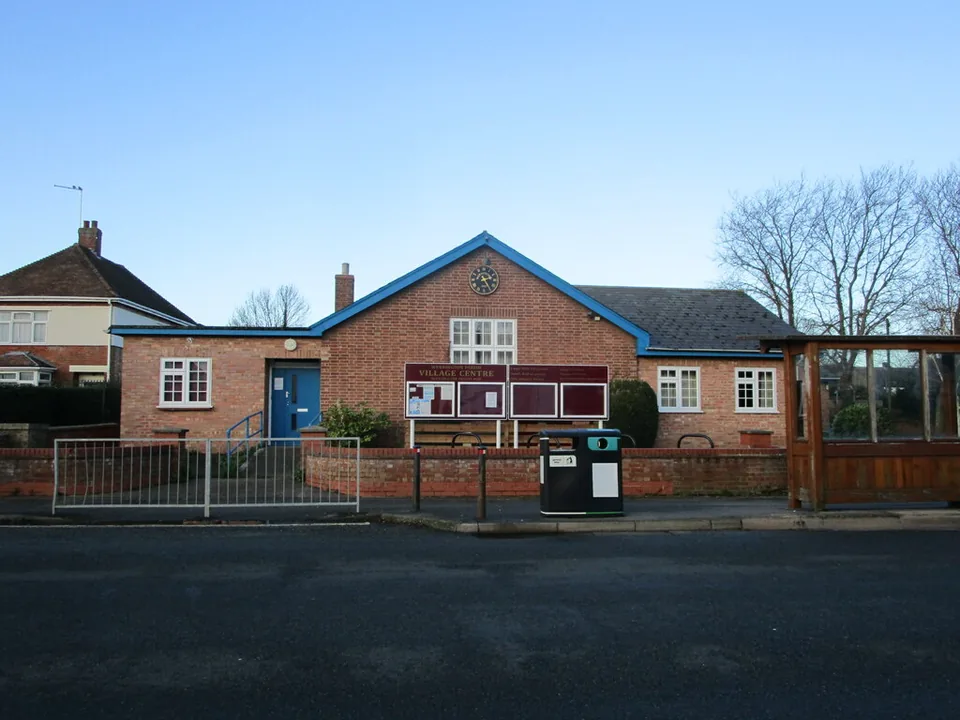
Werrington, in PE4, is a practical area to investigate if you want an established residential neighbourhood with everyday facilities nearby.
Its housing includes properties from different periods, with a mix of traditional and more modern residential streets.
Werrington Centre provides a focal point for local shopping and services. The wider area also has a public library, leisure facilities and access to nearby open spaces.
Why consider Werrington?
- Established residential streets.
- Shops and local services.
- Werrington Library and Werrington Leisure Centre.
- Access to other northern Peterborough neighbourhoods.
- Different property styles and sizes.
Werrington also connects with areas such as Gunthorpe and Walton, giving buyers and renters a wider choice of streets to compare.
What should you check?
Inspect older properties carefully for roof wear, condensation, outdated fittings and signs of past water damage. These issues depend on the individual building, not simply its postcode.
Check actual journey times to your workplace, as well as local school admission arrangements where relevant.
Explore this area further
4. Longthorpe: Established housing on the western side
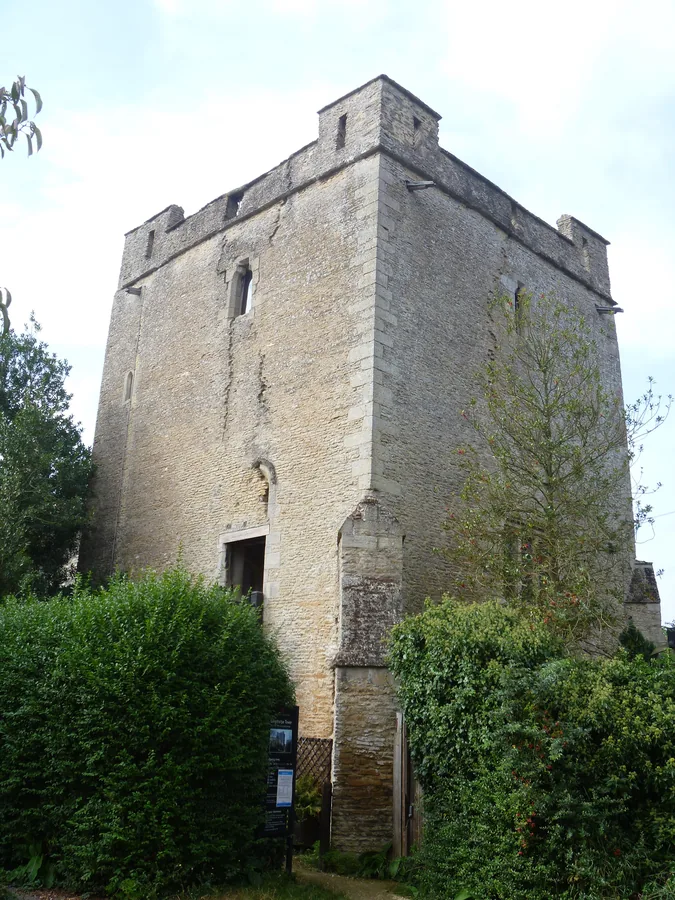
Longthorpe is one of the neighbourhoods worth viewing if your priorities include established residential surroundings and access to the western side of Peterborough.
The area includes older houses, bungalows and homes with different layouts and plot sizes.
Longthorpe also provides access towards Thorpe Wood and the wider Nene Park area.
Why consider Longthorpe?
- An established residential setting.
- A choice of older housing styles.
- Access towards Thorpe Wood and green spaces.
- Connections to western Peterborough and the wider road network.
What should you check?
Compare properties individually rather than assuming all Longthorpe homes have similar prices, conditions or gardens.
If you're considering an older property, check the roof, insulation, heating system, drainage and previous extensions.
A survey is particularly important where substantial alterations have been made.
Explore this area further
5. Fletton and Woodston: Older housing close to central Peterborough
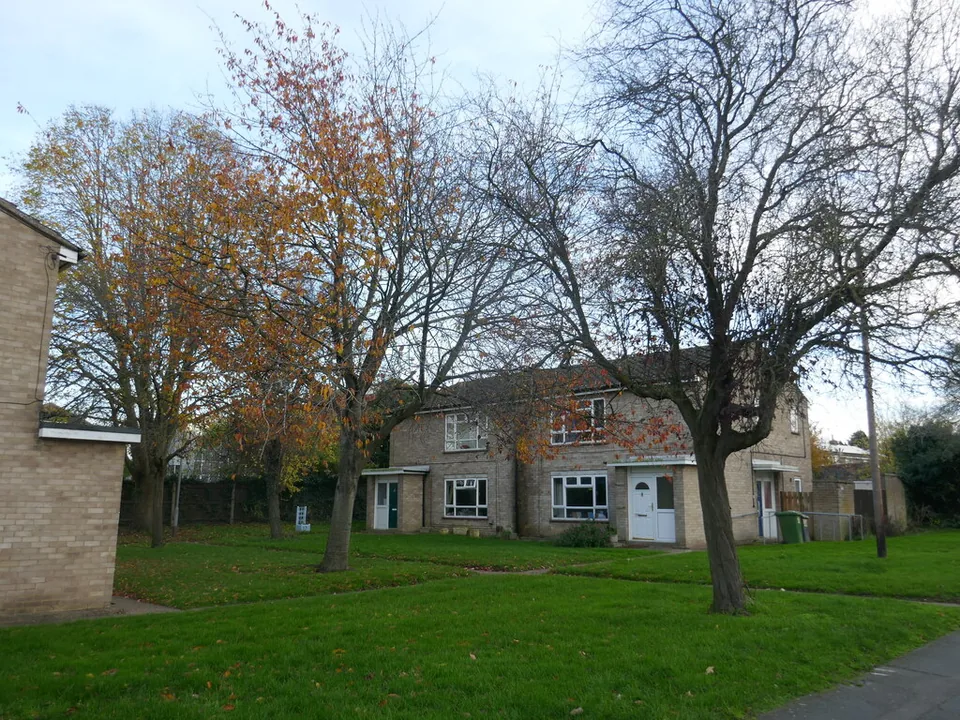
Fletton and Woodston are established residential areas south of the River Nene.
These neighbourhoods offer a different housing choice from Peterborough's modern developments.
You will find older terraced and semi-detached properties, alongside later housing and converted buildings.
Their location may suit people who want access towards the city centre without living in the main shopping district.
Why consider Fletton or Woodston?
- Traditional housing styles.
- Established streets and local facilities.
- Access towards the city centre.
- Woodston Library and Woodston Ponds.
- A mix of residential property types.
What should you check?
With older homes, the condition of the building matters more than appearance alone.
Pay particular attention to:
- Roof coverings, gutters and chimneys.
- Damp or condensation around walls and windows.
- Loft and wall insulation.
- The condition of electrical installations.
- Heating systems and ventilation.
- Signs of movement or poorly completed alterations.
Also visit at different times of day to judge local traffic and parking.
6. Stanground: A mix of established and modern housing
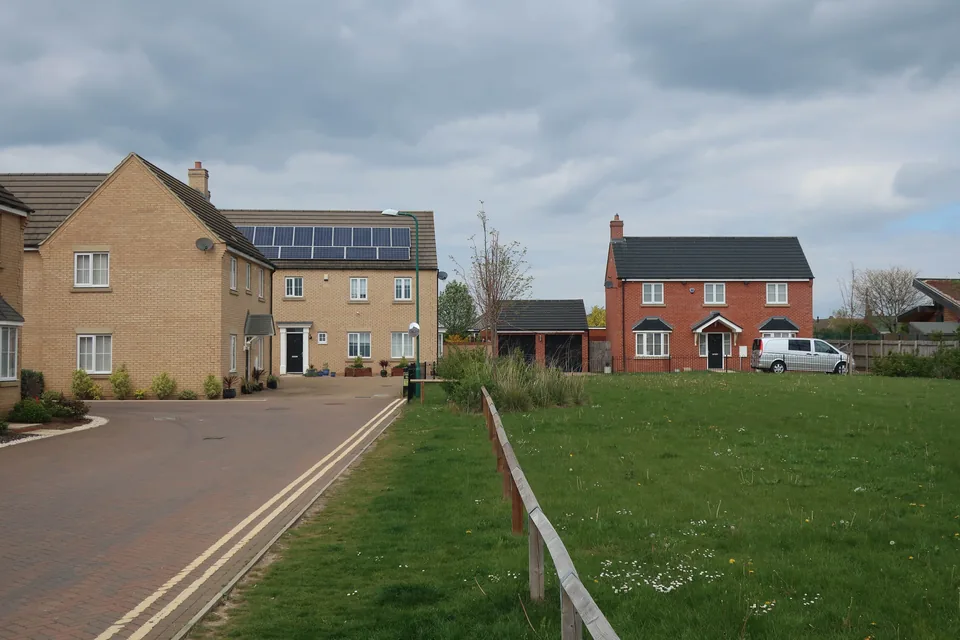
Stanground lies to the south-east of central Peterborough.
It combines established residential streets with newer housing, making it worth considering for people who want to compare different property styles in the same broad area.
Stanground has a public library and access to local green spaces, including wildlife areas identified by Peterborough City Council.
Why consider Stanground?
- Both older and newer residential properties.
- Local shops and community facilities.
- Access towards central Peterborough.
- Parks and nature areas within the wider locality.
What should you check?
Road access and local traffic patterns are important. Test your journey to work or school before committing.
If a property is close to waterways or low-lying land, use the Environment Agency's official flood-risk service to check the specific address.
Do not assume that a whole neighbourhood has the same flood risk.
Explore this area further
7. Bretton: Varied housing and community facilities

Bretton lies to the west and north-west of central Peterborough.
North Bretton and South Bretton include residential estates with different property layouts, housing types and access routes.
Bretton Park is a local attraction, with open space and family facilities. Bretton Library also serves the area.
Why consider Bretton?
- A broad choice of established housing.
- Local shopping and community facilities.
- Bretton Park and children's play spaces.
- Connections to the wider west and north of Peterborough.
What should you check?
Some streets have different parking arrangements, road layouts and access to facilities.
Visit the precise street rather than making a decision based on Bretton as a whole.
For houses built several decades ago, check insulation, ventilation and the age of the heating and electrical systems.
Explore this area further
8. Peterborough city centre: Convenience and railway access
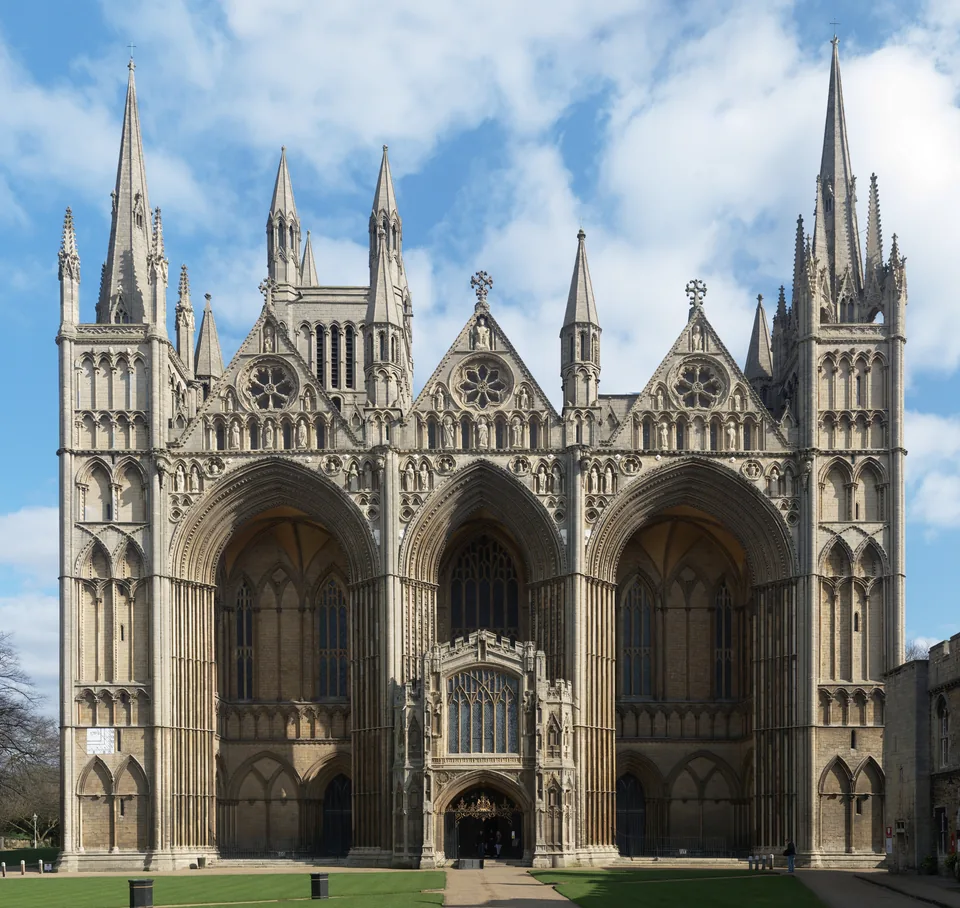
Living near the city centre brings a different set of advantages and compromises.
Peterborough Cathedral, Cathedral Square, Queensgate and the railway station are all in the central part of the city.
For people who commute by train, the distance between home and the station can be an important factor.
The centre also offers flats, apartments and older residential streets. However, the housing experience varies considerably by location and building type.
Why consider the city centre?
- Access to Peterborough railway station.
- Shops, restaurants and other amenities.
- Central cultural attractions.
- Some journeys may be possible without a car.
- A range of flats and other residential properties.
What should you check?
Parking, noise and building management should be high on your list.
If you're buying a leasehold flat, review the service charges, lease terms, building maintenance records and any planned major works.
Check the street in the evening as well as during the day. A convenient daytime location may feel different when nearby businesses are open late.
Explore this area further
How much does it cost to buy or rent in Peterborough?
According to the Office for National Statistics, the average house price in Peterborough was £235,000 in July 2026, based on provisional data.
Average private monthly rent reached £1,012 in August 2026.
The July 2026 average purchase prices also varied by property type:
| Property type | Average price |
|---|---|
| Detached | £379,000 |
| Semi-detached | £243,000 |
| Terraced | £191,000 |
| Flat or maisonette | £112,000 |
These figures cover the Peterborough local authority area. They are not prices for the specific neighbourhoods discussed above.
They also do not mean a typical property currently advertised for sale will match the stated average.
For up-to-date figures, see the ONS housing data for Peterborough.
When comparing areas, look at recent sold prices for the same property type, size and condition. A larger house in one neighbourhood should not be compared directly with a small flat in another.
What is the best area in Peterborough for families?
Start with the practical needs of your household rather than a general ranking.
Hampton, Orton and Werrington are sensible areas to include in an initial search because they offer different housing choices and access to local amenities.
However, schools require separate research.
Living near a school does not automatically guarantee admission. Some schools use catchment areas, while others have different oversubscription rules.
Peterborough City Council publishes information about school admissions, catchments and previous allocation rounds.
Check the official Peterborough school admissions information and government school performance service before deciding.
Seven things to check before choosing a neighbourhood
An online area guide can help you form a shortlist. It cannot replace visiting a property and its surroundings.
Use this checklist before making a decision.
- Visit twice. See the street on a weekday and again in the evening or at the weekend.
- Test your commute. Check real journeys rather than estimating them from a map.
- Research schools. Review admission criteria and performance for the schools you are considering.
- Check local crime information. Use official police data for the specific neighbourhood, not unsupported lists of 'safe' and 'unsafe' areas.
- Check flood risk. Search the property's address on the Environment Agency's service.
- Review energy efficiency. Find the property's EPC and consider how heating costs may affect your budget.
- Inspect the building. Look beyond fresh paint and new flooring. Check for damp, leaks, ventilation problems and signs of poorly completed repairs.
Useful official services:
- Police.uk – Local crime and policing information
- GOV.UK – Long-term flood risk
- GOV.UK – Find an energy performance certificate
- Peterborough City Council – Parks and open spaces
Choosing between a new-build and an older home
Peterborough offers both newer developments and established residential neighbourhoods.
A newer home may have more recent insulation, glazing and heating systems. However, you should still check its condition, warranty arrangements and any estate-management charges.
An older house may offer features you prefer, such as a traditional layout or established garden. But the building may also need investment in insulation, wiring, roofing or heating.
Neither is automatically the better purchase.
The key question is whether the property's condition, future maintenance costs and location fit your budget.
At 360 Maintenance Solutions, we work with different property types across Peterborough, including homes and rental properties. Our new-build maintenance guide explains some of the checks worth making after moving into a newer property.
Frequently asked questions
What is the nicest area to live in Peterborough?
There is no single objective answer. Longthorpe, parts of Orton, Werrington and Hampton offer different housing styles and settings. The best choice depends on your budget, preferred property type and daily travel needs.
Is Hampton a good place to live?
Hampton is worth considering if you want modern housing and established local facilities. Compare Hampton Hargate, Hampton Vale and Hampton Lakes separately because housing, parking and access can differ.
Is Orton a good area for families?
Parts of Orton are close to parks, schools and local facilities. Orton Waterville, Orton Longueville, Orton Wistow and Orton Goldhay have different layouts and housing types, so the exact address matters.
Where should I live in Peterborough if I commute by train?
Start by investigating properties in and around the city centre and other areas with a journey to Peterborough railway station that works for you. Check walking, cycling, bus and driving options for the exact property.
Are houses in Peterborough affordable?
Affordability depends on income, savings, mortgage costs and household needs. The ONS recorded an average Peterborough house price of £235,000 in July 2026, but prices vary substantially by property type and location.
Should I buy a new-build or an older property in Peterborough?
Compare the full cost of ownership. Newer homes can still have defects and ongoing charges. Older homes may require more repairs or energy-efficiency improvements. A suitable survey and careful review of documents are important for either type.
Final thoughts: Choose the street, not just the postcode
Peterborough has enough variety that two households can reach very different conclusions about where they want to live.
You may prefer Hampton's modern developments, an older home in Fletton, the established streets of Werrington or a property near Orton's green spaces.
Use neighbourhood guides to narrow your search. Then investigate the individual road, property and costs before making a commitment.
A good location matters. So does the condition of the home you move into.
About this guide
This article is provided by 360 Maintenance Solutions Ltd, a Peterborough-based property maintenance company working with homeowners, landlords, letting agents and businesses.
If you're preparing a property for a move, arranging repairs or maintaining a rental home, explore our Peterborough property maintenance services or contact our team.
Information checked: 20 October 2026. Housing figures are provisional and refer to the periods specified. Local amenities, school arrangements and transport services may change. This guide offers general area information, not financial, legal or property-buying advice.