What the check covers
A Gas Safe registered engineer inspects every gas appliance, flue and gas fitting in the property. They check gas pressure and combustion, that flues are clear and venting safely, that ventilation is adequate, and that there are no leaks. Each appliance is recorded as pass, advisory, or fail. You receive a written certificate listing every appliance and its result.
How often and who must do it
The check is required every 12 months with no gap between certificates. Only a Gas Safe registered engineer can carry it out — always verify the engineer's registration before booking. A copy of the certificate must be given to the tenant within 28 days, and to a new tenant at the start of the tenancy.
What happens if an appliance fails
If an appliance is unsafe, the engineer marks it "Not to Current Standard" or "At Risk" and disconnects it where there is immediate danger. The fault must be repaired by a Gas Safe registered engineer and the appliance re-checked before it is used again. We carry out gas repairs across Peterborough, often in the same visit as the check.
Staying on schedule
Book the next check a few weeks before the current certificate expires so there is no gap. Our Compliance Checker flags when your gas safety certificate is due, alongside your EICR and alarm deadlines. Add it to your maintenance checklist so it never lapses.
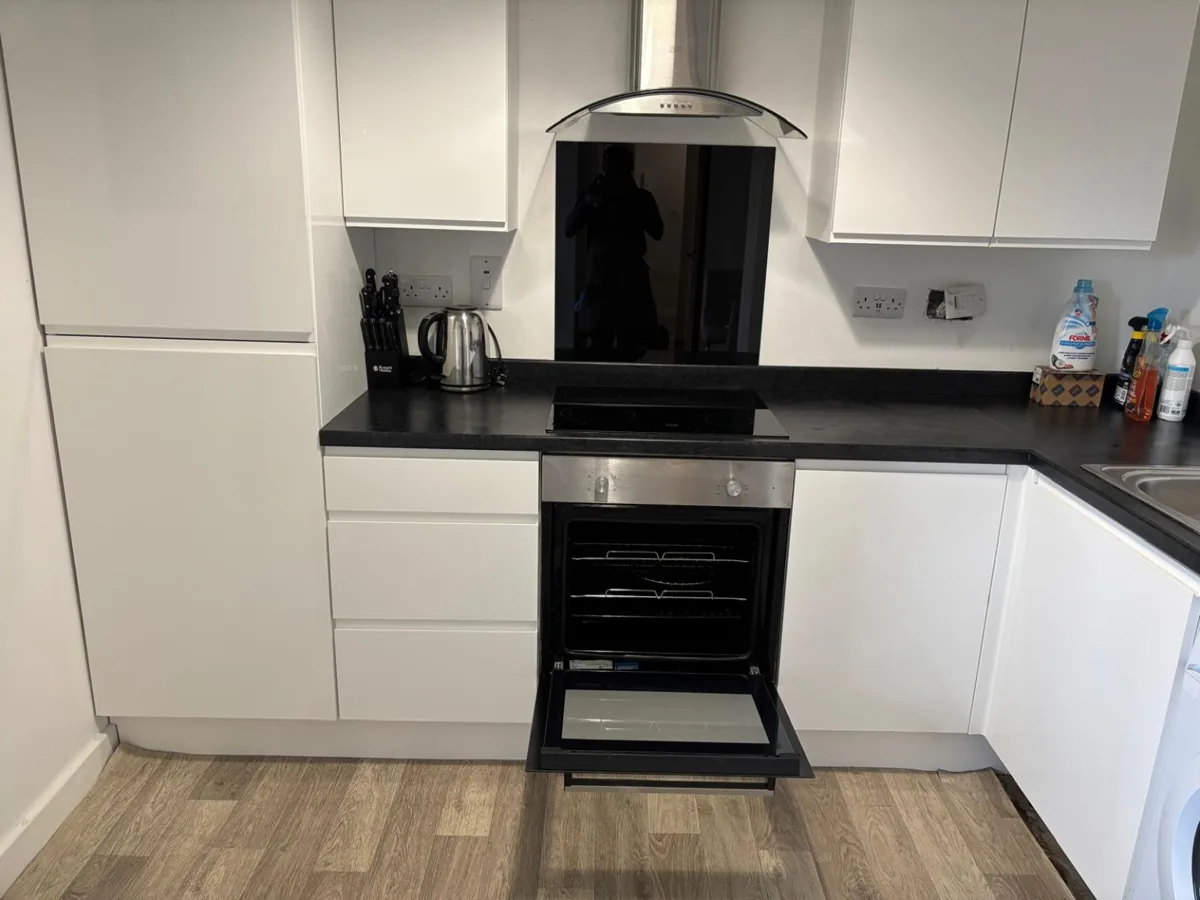
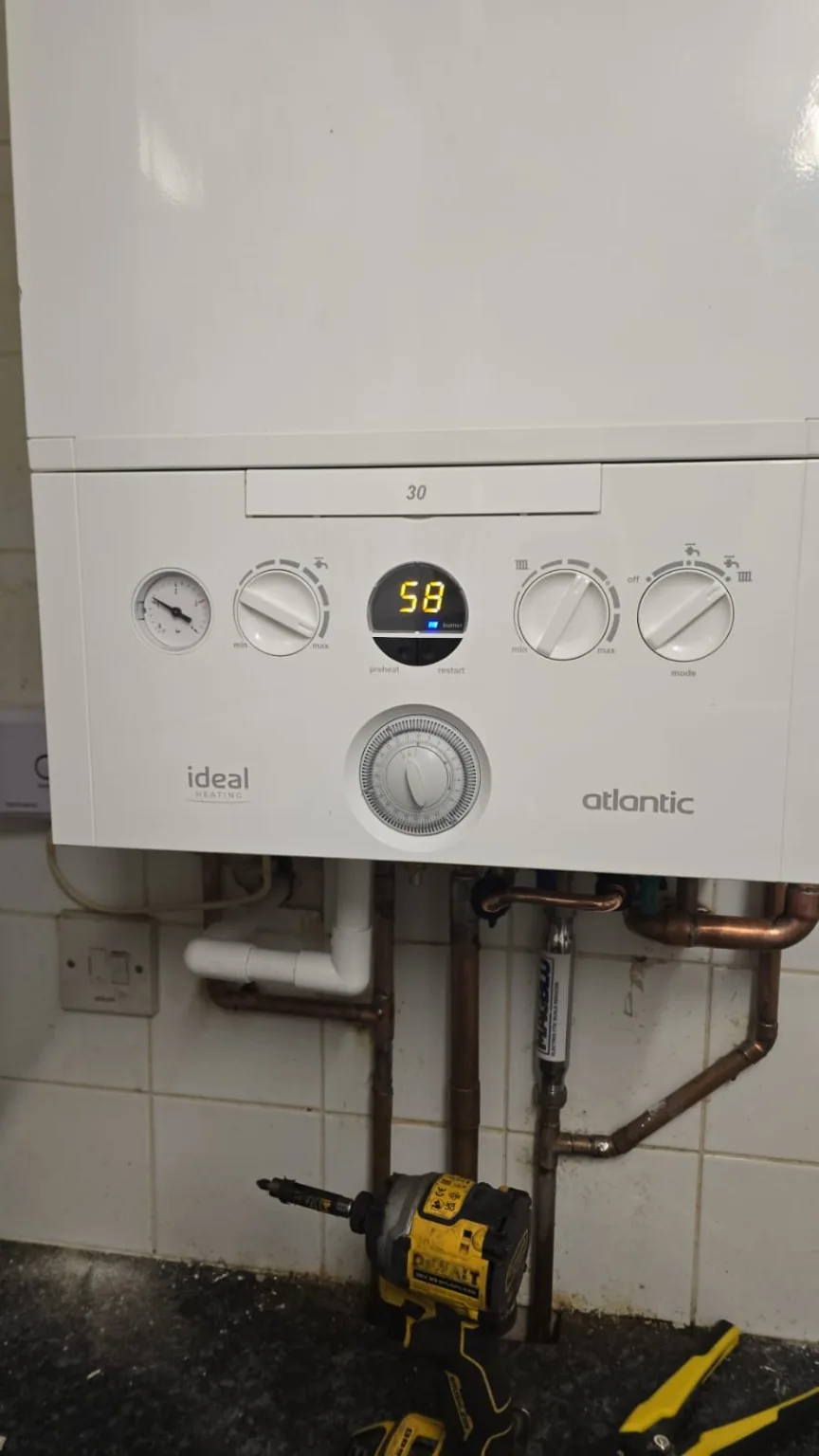
See an example of our work for a local letting agency: a six-bedroom Hampton HMO gas safety inspection where the combination boiler, gas hob and older gas fire passed and a CP12 was issued on the day.
Properties with no gas
If a property has no gas supply and no gas appliances, a gas safety certificate is not required for that property. If any gas appliance is present — even just a gas hob — the annual check applies.
Reviewed on 3 October 2026 using GOV.UK and Gas Safe Register guidance. This is general information, not legal advice.