
Moving to Peterborough involves more than finding a house and booking a removal van.
You need to choose a neighbourhood, understand housing costs, check transport connections and arrange essential services.
If you're moving with children, school admissions may affect where you want to live. If you're renting, there are also important changes to tenancy law in 2026.
Peterborough has a mixture of historic neighbourhoods, modern residential developments, villages and city-centre housing. The right location depends on your household, budget and daily routine.
This guide explains what to consider before relocating to Peterborough and what you need to arrange before and after moving.
Peterborough at a glance
| Feature | Details |
|---|---|
| Location | Cambridgeshire, England |
| Local authority | Peterborough City Council |
| Main railway station | Peterborough |
| Housing | Historic terraces, family houses, flats and modern developments |
| Average house price | £232,000 in August 2026 |
| Average monthly private rent | £1,014 in September 2026 |
| Major green spaces | Nene Park, Ferry Meadows and local country parks |
| Key shopping areas | City centre, Queensgate and Serpentine Green |
| Council services | Schools, council tax, waste collection, housing and local facilities |
The housing figures are from the Office for National Statistics and cover Peterborough as a whole. Individual neighbourhoods and properties can cost considerably more or less.


1. Choosing where to live in Peterborough
Peterborough isn't made up of one type of neighbourhood.
The city has older residential streets close to the centre, established suburban estates, modern housing developments and surrounding villages.
Start by deciding what matters most to you.
Do you need to reach the railway station every morning? Would you prefer a larger garden? Are schools your main concern? Or do you want a modern house with fewer immediate maintenance needs?
Your answers should guide your shortlist.
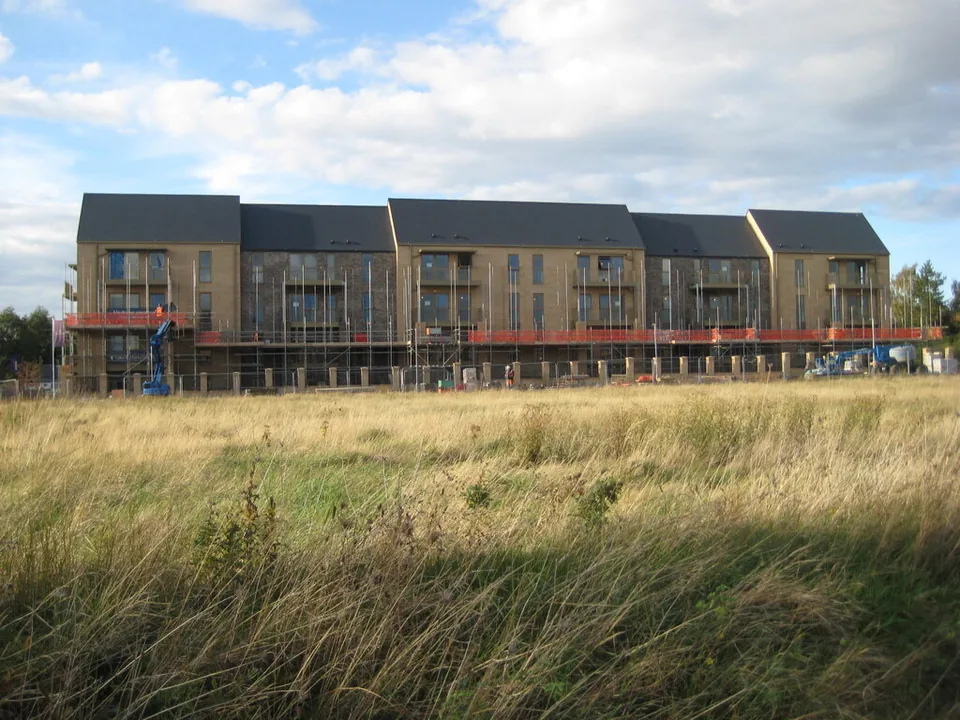
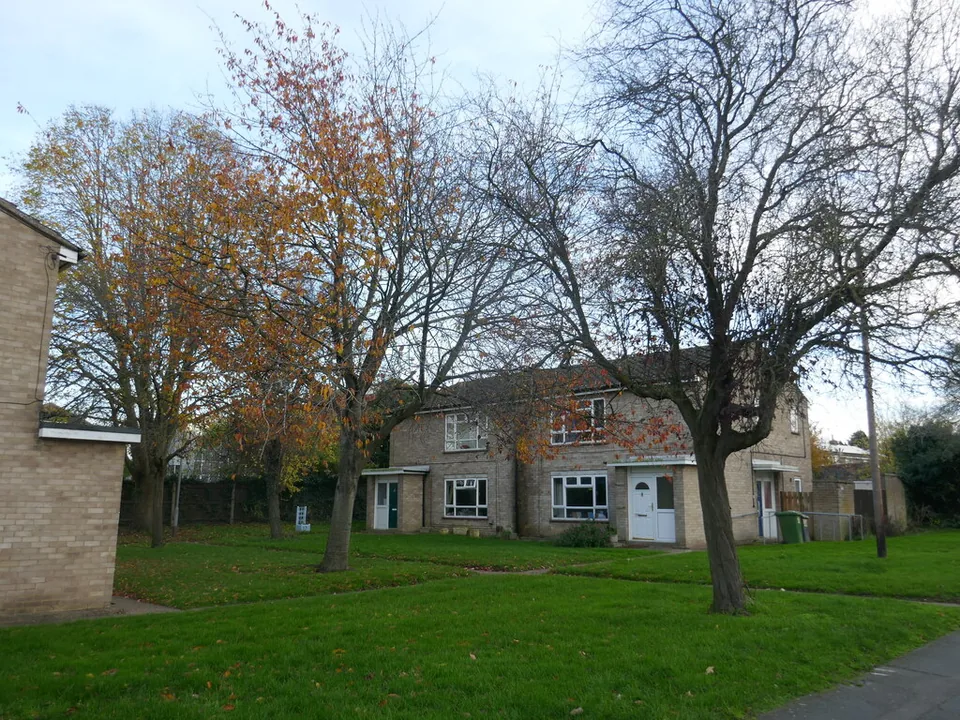
Hampton: Modern residential developments
Hampton is in southern Peterborough.
It includes Hampton Hargate, Hampton Vale, Hampton Gardens and Hampton Water.
The area offers modern housing, local schools, shopping facilities and access to lakes and green spaces.
Serpentine Green is a major shopping destination within Hampton.
Consider Hampton if: You want to explore modern houses and residential developments with local amenities.
Check: Parking, estate management charges, ongoing development and journey times.

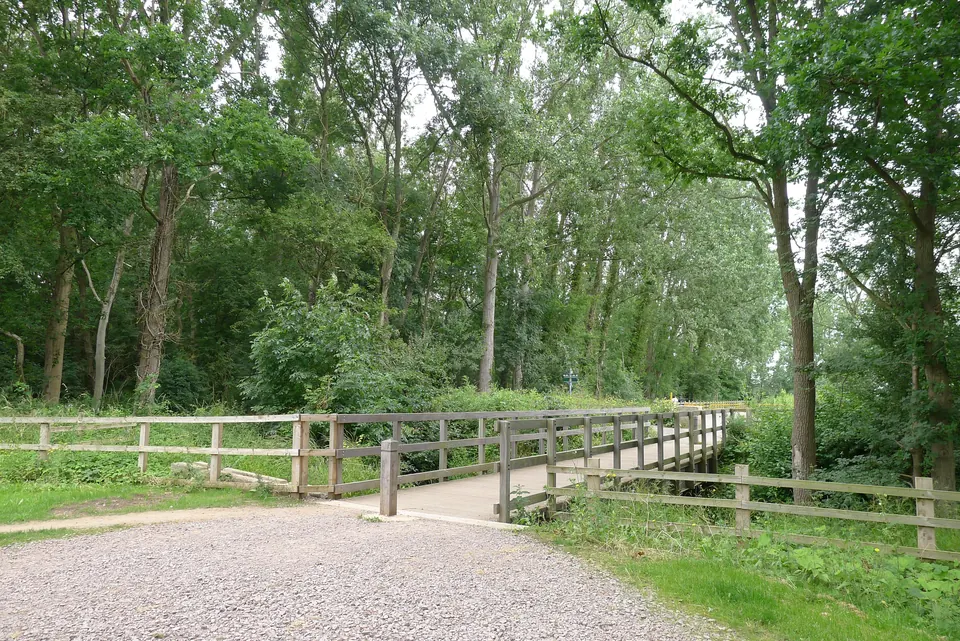
Werrington: Established housing and local facilities
Werrington lies north of Peterborough city centre.
It combines a historic village with residential neighbourhoods developed during the city's expansion.
Werrington Centre provides local shopping, while Cuckoo's Hollow offers a lake and paths for walking.
The area also has primary and secondary education options.
Consider Werrington if: You prefer established residential surroundings and access to everyday facilities.
Check: Property age, roof and heating condition, parking and your route to work.
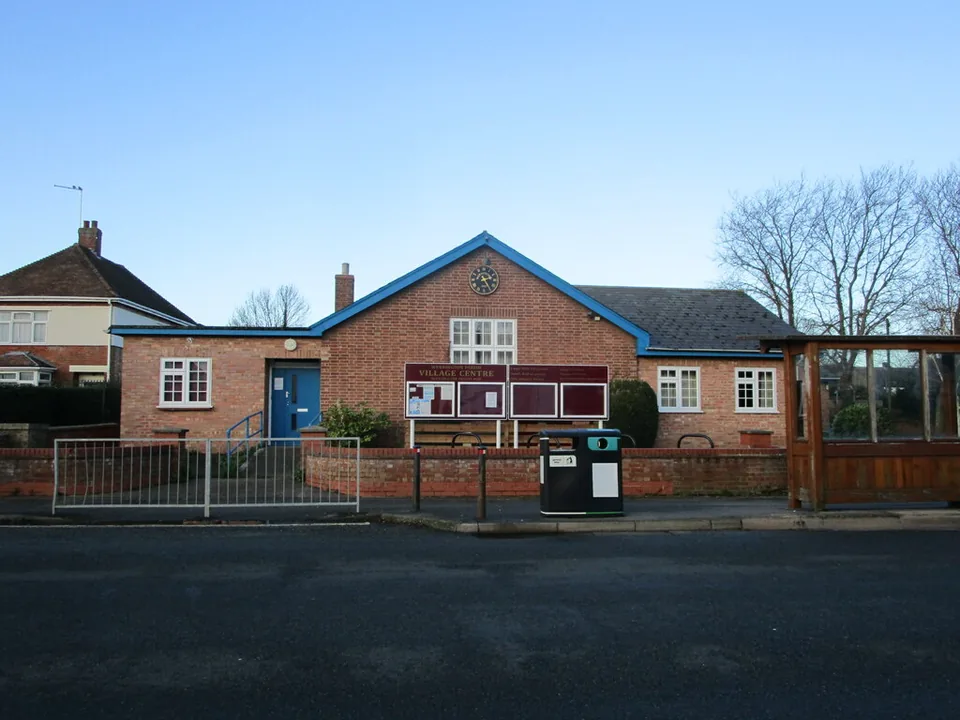

Orton: Different neighbourhoods with access to green spaces
Orton includes several distinct areas, such as Orton Waterville, Orton Longueville, Orton Wistow and Orton Goldhay.
Housing types and street layouts differ across these neighbourhoods.
Parts of Orton are close to Ferry Meadows and the wider Nene Park area.
Consider Orton if: Access to parks and a choice of housing styles are important to you.
Check: The exact part of Orton, property condition and transport connections.

Fletton and Woodston: Traditional housing
Fletton and Woodston lie south of the River Nene, with access towards central Peterborough.
They include established residential streets and older housing.
You may find terraced and semi-detached houses alongside more recent properties.
Consider these areas if: You want traditional housing and access towards the city centre.
Check: Insulation, roof condition, damp, drainage, parking and any previous alterations.
Peterborough city centre: Shops and railway access
Central Peterborough offers access to the railway station, shops and other amenities.
It includes apartments, flats and residential streets with different building types.
Consider the city centre if: You regularly travel by train or want services within walking distance.
Check: Parking, noise, leasehold charges and the condition of shared buildings.
For a fuller comparison, read our Best Areas to Live in Peterborough guide.

2. How much does it cost to buy a house in Peterborough?
According to the Office for National Statistics, the average house price in Peterborough was £232,000 in August 2026.
This was a provisional figure and represented a 1.3% decrease compared with August 2025.
Average prices varied by property type.
| Property type | Average price |
|---|---|
| Detached | £372,000 |
| Semi-detached | £240,000 |
| Terraced | £189,000 |
| Flat or maisonette | £112,000 |
First-time buyers paid an average of £204,000.
These are local-authority averages, not current asking prices or estimates for specific neighbourhoods.
When budgeting for a purchase, include more than the deposit and mortgage payment.
You may also need money for:
- Conveyancing and legal fees.
- A property survey.
- Mortgage-related charges.
- Stamp Duty Land Tax, where applicable.
- Removals and storage.
- Buildings insurance.
- Initial repairs and essential furniture.
The condition of the property can affect your budget substantially.
A house requiring a new roof or electrical work may cost more to own than a slightly more expensive property that needs fewer repairs.
Use HM Land Registry's sold-price service to compare recent transactions.
3. How much does it cost to rent in Peterborough?
The ONS reported an average monthly private rent of £1,014 in Peterborough in September 2026.
Average rent also varied by the number of bedrooms.
| Property size | Average monthly rent |
|---|---|
| One bedroom | £711 |
| Two bedrooms | £896 |
| Three bedrooms | £1,082 |
| Four or more bedrooms | £1,558 |
These figures describe the wider private rental market. They are not quotations for properties currently available.
A modern three-bedroom house in one neighbourhood can have a different rent from an older house of the same size elsewhere.
Before agreeing to rent, check:
- Monthly rent and payment arrangements.
- Tenancy deposit and its protection.
- Council tax responsibility.
- Utility bills and any service charges.
- Parking arrangements.
- The property's EPC.
- Heating, ventilation and existing defects.
- The landlord's or agent's contact details for repairs.
Renting rules changed in May 2026
The Renters' Rights Act introduced major changes to private renting in England from 1 May 2026.
These include the end of new Section 21 'no-fault' eviction notices and the introduction of assured periodic tenancies for most private renters covered by the legislation.
Landlords must follow legally valid procedures when seeking possession.
Government-approved deposit protection also remains important. Where the tenancy deposit protection rules apply, landlords or agents must protect the deposit within 30 days of receiving it.
The details depend on the type of tenancy, so use current government guidance rather than relying on older tenancy templates.
4. Working in Peterborough and commuting
Transport should be one of the first things you investigate before choosing a property.
A home may be affordable, but the daily journey can change the total cost and convenience of living there.
Peterborough railway station
Peterborough is an important station on the East Coast Main Line.
It provides rail connections towards London and northern England, alongside regional services.
This may suit people who work outside the city or travel regularly.
However, you should check the actual train service you need.
A journey involving a connection, a bus ride and a walk to the station may take considerably longer than the train journey alone.
Driving
Peterborough connects with the A1 and other major regional routes.
The A1139 also provides connections across parts of the city.
If you drive to work, test your route during the morning and evening rather than relying on an off-peak journey estimate.
Check parking at both ends.
Buses and cycling
Stagecoach operates local bus services in Peterborough.
The city also has cycling routes, including parts of the Green Wheel network.
But public transport and cycle access vary by neighbourhood.
Check the nearest stop, service frequency and whether the route operates when you need it.
Useful resources:
5. Schools: What families need to know
If you have school-age children, investigate admissions before committing to a new address.
Peterborough City Council provides information about primary and secondary schools, catchment areas and admissions arrangements.
However, living near a school does not guarantee a place.
Oversubscribed schools apply their published admission criteria.
Moving during the school year
If your child needs to change school part way through an academic year, you may need to submit an in-year application.
Peterborough City Council manages applications for many local schools, while some schools process their own in-year admissions directly.
The council provides a list of those schools and the relevant application arrangements.
Moving for September 2027
For the first round of secondary school admissions in September 2027, the application deadline is 31 October 2026.
Different deadlines apply to primary admissions.
Always confirm which admission round applies to your child.
Start with Peterborough City Council's school admissions guidance.
6. Council tax: What to do when you move
If you're moving into, within or out of Peterborough, you need to notify Peterborough City Council about the change.
The council uses this information to establish who is responsible for council tax.
You can report a move online.
Before moving
Check the new property's council tax band and the applicable annual charge.
The amount depends on the property band and any relevant local charges, discounts or exemptions.
Do not assume two neighbouring properties have the same band.
After moving
Tell the council your moving date and the details it requests.
If you're leaving another council area, notify your previous council as well.
You may need to close your old account and establish a new one.
Use the council's Moving Home or Change of Occupants service.
Important: Updating your council tax details does not automatically update your electoral registration.
7. Understanding Peterborough's bin collections
Waste collection arrangements are another practical detail to check when moving.
Peterborough City Council currently operates a system that can include four bins.
| Bin colour | Main use |
|---|---|
| Black | General household waste |
| Green | Recycling |
| Grey | Food waste |
| Brown | Garden waste, through an optional service |
Collection arrangements depend on the property.
The council provides a postcode lookup for checking collection days.
Grey food-waste bins are collected weekly under the council's current arrangements.
You should place bins out by 6.45am on collection day.
What if your new home has no bins?
Check whether the correct bins are present during your initial inspection.
If a bin is missing, damaged or unsuitable, contact the council and follow its current replacement process.
Getting rid of unwanted furniture
Moving often leaves people with furniture, packaging and unwanted household items.
Peterborough has a Household Recycling Centre at:
Dodson House, Fengate, Peterborough, PE1 5XG.
Residents using a vehicle need a free electronic permit.
Car permits are valid for three years, while van or trailer permits have different conditions and visit limits.
You must also follow the site's restrictions on waste types and vehicle sizes.
The centre does not accept trade waste.
Before hiring a private rubbish-removal company, check that it is appropriately registered to carry waste. Ask where the waste will be taken.
Official information:
8. Registering with a GP and arranging healthcare
If you're relocating from another area, you may need to register with a local GP surgery.
The NHS allows patients in England to register with a GP surgery using its usual registration process, subject to the surgery's arrangements.
You do not need identification, proof of address or proof of immigration status simply to register with a GP surgery.
You can search for practices and check registration information through the NHS.
Also consider:
- Which GP surgeries serve your new location.
- Whether you need to arrange repeat prescriptions.
- Your nearest pharmacy.
- Any upcoming appointments.
- How to transfer or access relevant medical information.
For people who rely on regular prescriptions, it is sensible to arrange enough medication to cover the move and the registration process.
Official information: NHS – Register with a GP Surgery.
9. Utilities, broadband and essential services
Don't wait until moving day to organise everything.
Gas and electricity
Before moving in, establish who supplies the property.
Take clear photographs of meter readings when you receive the keys. Record the date and keep the images.
Contact the existing suppliers to set up or update the account and review available tariffs.
If you are leaving another property, take final readings there too.
Water
Confirm the water and wastewater providers serving the address.
Contact the relevant providers and give them your moving details and meter readings where applicable.
Broadband
Broadband speeds and connection options vary by street and building.
Do not assume that a property has fibre service because a nearby house does.
Check availability for the exact address before committing to a broadband package.
Also ask whether the property has an existing connection and whether installation work or landlord permission may be required.
Insurance
If you're buying a property with a mortgage, your lender will usually require appropriate buildings insurance from the relevant point in the purchase process.
If you're renting, consider contents insurance for your possessions.
Check policy conditions rather than assuming all household risks are covered.
10. Check the property's condition before moving in
A new address can come with old problems.
Before moving furniture into every room, take time to examine the property.
Check that:
- All external doors lock correctly.
- Windows open and close properly.
- Taps and toilets operate without leaks.
- Heating and hot water work.
- Extractor fans operate where fitted.
- Smoke alarms are present and functioning.
- There are no visible signs of serious damp or water penetration.
- Electrical fittings appear intact and safe.
- Gutters and external drains are in reasonable condition.
Do not open electrical equipment, interfere with gas appliances or disturb suspect building materials.
If something appears unsafe, arrange an assessment by an appropriately qualified person.
If you're renting
Take dated photographs at the beginning of your tenancy.
Compare them with the inventory and report any existing defects promptly.
Keep records of what you report and how the landlord or agent responds.
If you're buying
Use the survey findings to identify repairs that should be completed before occupation and work that may be needed later.
A professional survey provides more useful evidence about the building than a quick visual inspection alone.
11. Your Peterborough moving-house checklist
Use this timeline to organise the move.
Four to six weeks before moving
- Confirm the purchase or tenancy arrangements.
- Compare removal companies and obtain quotations.
- Arrange an appropriate property survey if buying.
- Research schools and admissions.
- Check commuting routes.
- Compare broadband availability.
- Review insurance requirements.
- Identify unwanted furniture and belongings.
One to two weeks before moving
- Arrange gas, electricity and water account changes.
- Organise broadband transfer or installation.
- Set up mail redirection if needed.
- Book removals and any storage.
- Prepare important documents.
- Arrange any essential repairs.
- Confirm access, parking and key collection arrangements.
On moving day
- Photograph the meter readings.
- Check the property inventory where applicable.
- Photograph any existing damage.
- Locate the water stop tap.
- Identify the consumer unit and heating controls.
- Check that doors and windows secure properly.
- Confirm all keys and access devices have been provided.
- Check the condition of the property before unpacking.
During the first week
- Notify Peterborough City Council about council tax.
- Confirm the household bin collection day.
- Register with a GP if needed.
- Update your address with banks and insurers.
- Update HMRC where required.
- Update your driving licence and vehicle registration details with DVLA where applicable.
- Update your electoral registration if eligible.
- Report any outstanding property defects.
- Check whether any urgent maintenance needs attention.
Important: If you own a vehicle, updating the address on your driving licence does not automatically update your V5C vehicle log book. Both may need to be changed.
You can start with GOV.UK's V5C address change service.

12. What should you know before buying an older home in Peterborough?
Peterborough's housing stock includes buildings from different periods.
An older terraced house may have different construction and maintenance needs from a recently built home in Hampton.
Before buying an older property, pay particular attention to:
Roofing: Check for worn roof coverings, damaged gutters and signs of previous water ingress.
Damp: Establish whether moisture is caused by a leak, condensation, drainage or another defect. Do not assume every damp patch requires chemical damp-proofing.
Electrical installations: Ask about the age and condition of the installation and any available inspection reports.
Heating: Review the boiler or heating system, service history and likely running costs.
Insulation: Check the energy performance certificate and whether recommended improvements are practical for the building.
Alterations: Ask about extensions, structural changes, planning permission and building control records where relevant.
A surveyor can help determine whether further specialist inspections are needed.
13. Useful official services when relocating
| Task | Official resource |
|---|---|
| Council tax registration | Peterborough City Council |
| School applications | Peterborough School Admissions |
| Bin collections | Peterborough Bin Collection Days |
| Flood risk | GOV.UK Flood Risk |
| Energy performance | Find an EPC |
| Register with a GP | NHS GP Registration |
| Sold house prices | HM Land Registry |
| Local housing statistics | ONS Peterborough Housing Prices |
Frequently asked questions about moving to Peterborough
Is Peterborough a good place to move to?
Peterborough offers several types of neighbourhood, local schools, shopping facilities, green spaces and mainline rail connections. Whether it suits you depends on your budget, employment, transport needs and preferred lifestyle.
What is the average house price in Peterborough?
The ONS reported an average price of £232,000 in August 2026. This is a provisional local-authority figure, not the typical asking price of every property currently for sale.
What is the average rent in Peterborough?
The average monthly private rent was £1,014 in September 2026, according to the ONS. Actual rents vary by location, property size and condition.
Where should families consider living in Peterborough?
Hampton, Werrington and Orton are useful areas to investigate because they offer different housing types and local amenities. However, school admissions and access depend on the exact address.
Do I need to register for council tax when moving to Peterborough?
You must notify Peterborough City Council of a relevant change of owner, tenant or occupant. The council provides an online service for moving into, within or out of Peterborough.
Where can I dispose of unwanted furniture after moving?
Peterborough residents can use the Fengate Household Recycling Centre under its rules and permit system. Council bulky waste collection, reuse organisations and licensed private waste carriers are other options.
Can I move into a rented property without a fixed-term tenancy?
The Renters' Rights Act introduced assured periodic tenancies for most private renters in England from 1 May 2026. Different rules may apply to certain accommodation arrangements, so check the type of tenancy involved.
Is Peterborough suitable for London commuters?
Peterborough has direct rail connections towards London. However, suitability depends on the timetable, ticket cost, journey to the station and your working hours. Check the complete journey before choosing a property.
Final thoughts: Plan the move before choosing the address
Peterborough offers modern homes, historic streets and established neighbourhoods across the city.
But no area is suitable for everyone.
A house close to a park may be less useful if your daily commute is difficult. A cheaper property may require more maintenance than your budget allows.
Research the neighbourhood, understand the full cost of moving and inspect the property carefully.
Once you've chosen your home, arrange the essential services early.
That can help you avoid unexpected expenses and administrative problems after you move.
About 360 Maintenance Solutions
This guide is published by 360 Maintenance Solutions Ltd, a property maintenance company based in Peterborough.
We carry out repairs and maintenance for homeowners, landlords, letting agents and businesses across the city.
Our services include plumbing repairs, painting and decorating, electrical work, handyman services, lock changes and property maintenance.
If you're moving into a Peterborough property and need repairs or improvements, see our property maintenance services or contact 360 Maintenance Solutions.
For more information about neighbourhoods, visit Explore Peterborough.
Last reviewed: 21 October 2026. Housing statistics, council arrangements and legal requirements are subject to change. This guide provides general information rather than financial or legal advice.